Spend where buyers notice. Save where they won’t.
Property staging can be a sound pre-sale investment—but only when each decision is connected to buyer perception, listing quality or showing experience.
Staging is not a spending contest
More furniture, more accessories and more renovation do not automatically create more value. The goal is to remove distractions, communicate scale and help the property feel cared for and easy to understand.
Remove rather than replace
A rusted stackable washer and dryer can make buyers think about corrosion, humidity and future expense. Installing an inexpensive replacement may introduce another compromise. In some cases the better presentation is to remove the appliance, clean and paint the closet, fit new red and blue supply connections, confirm the drain and place a new metal exhaust duct neatly for attachment.
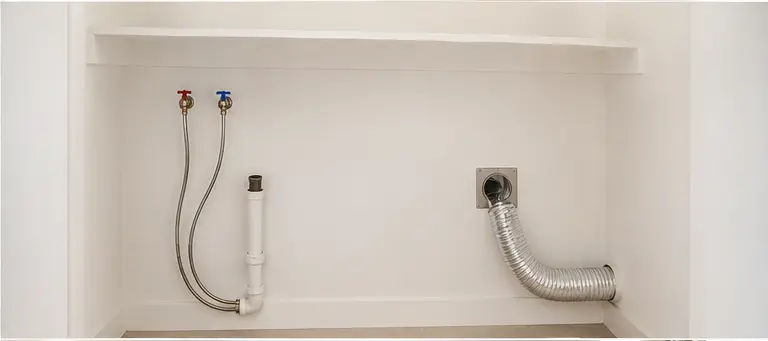
The buyer sees a maintained, prepared space—and retains the freedom to choose an appliance.
Replace what buyers immediately feel
Old ceiling-fan blades that sag from humidity are difficult to ignore. A clean, quiet replacement improves the room in photographs and keeps air moving during a showing. The buyer experiences a cooler room while receiving a subtle signal of care.

A useful priority test
- Does it remove a visible negative?
- Will it materially improve the listing photographs?
- Will buyers experience it during the showing?
- Does it make the space easier to understand?
- Is the likely benefit proportionate to the cost?
Frequently asked questions
Should every room be fully staged?
No. Key spaces may create most of the visual and emotional value. The living room, principal bedroom, dining area and lanai often deserve priority.
Is a repair better than staging?
If a defect creates concern, correcting or removing it usually comes before decorative styling.
Should sellers buy new furniture?
Usually only when the item will remain useful. Rental, partial staging or working with existing pieces may be more efficient.